
Your Website Isn’t a Portfolio Anymore, It’s a Sales Tool
)
There was a time when a simple portfolio website was enough for a garden designer or landscaper. A handful of project images, a short introduction and a contact page did the job. If the work was strong, the enquiries followed but that time has passed.
In 2026, the most effective landscaping companies and garden designers are no longer treating their websites as passive showcases. Instead, they’re using them as active, strategic tools. Websites that are designed not just to display work, but to attract, qualify and convert the right clients long before a conversation begins.
The distinction matters. A portfolio shows what you’ve done but a strategic website explains who it’s for, why it matters and what makes it worth investing in.
This shift has been driven, in part, by changes in client behaviour. With rising project costs and greater awareness of sustainability, clients are taking more time to make decisions. They’re doing more research, comparing more options and asking more questions even before they reach out. In many cases, your website is where those questions are answered, or left unresolved.
A well-structured website meets potential clients in that research phase. It doesn’t just present finished gardens; it provides clarity. It explains your process, sets expectations around budgets and timelines, and communicates the thinking behind your work. Rather than overwhelming visitors with imagery alone, it guides them towards understanding whether you are the right fit.
This is where many websites fall short. Strong visuals are essential in this industry, but without context, they do very little to move a client closer to making a decision - especially in an era of AI imagery. People don’t just want to see a beautiful garden; they want to understand what it took to create it, what it might cost and whether a similar approach could work for their own space.
At the same time, the way clients find garden designers and landscapers has evolved. Social media still plays a role in inspiration, but when someone is ready to act, they turn to search. Phrases like “garden designer near me”, “landscaping company in Nottingham”, or “modern garden design UK” signal intent. If your website isn’t structured and written with local SEO and GEO (AI search) in mind, you’re unlikely to appear at that critical moment.
Search visibility is no longer a technical afterthought; it’s a core part of how your business is discovered. Thoughtfully written service pages, clear location signals and consistent messaging all contribute to whether your website shows up and whether it resonates with your potential clients.
Beyond visibility, there’s another, often overlooked benefit to a more strategic approach: better quality enquiries. One of the biggest challenges for many landscapers and garden designers isn’t a lack of interest, but a lack of alignment. Time is lost responding to enquiries that were never a good fit - projects with unrealistic budgets, unclear expectations, or mismatched priorities.
A well-considered website helps to address this upfront. By being transparent about how you work, the scale of projects you take on and the level of investment required, you naturally filter your audience. The result is more better fit enquiries, from clients who already understand your value and are ready to move forward.
For businesses that rely heavily on referrals, this becomes even more important. Word-of-mouth may still be the starting point, but it’s rarely the end of the journey. Referred clients will almost always visit your website before getting in touch. In that moment, your website shifts from being a first impression to a point of validation. It needs to reinforce trust, reflect the quality of your work, and make it easy for someone to take the next step.
In that sense, your website doesn’t replace traditional marketing channels, it supports them. It works alongside referrals, offline media and social media to create a more consistent and trustworthy presence.
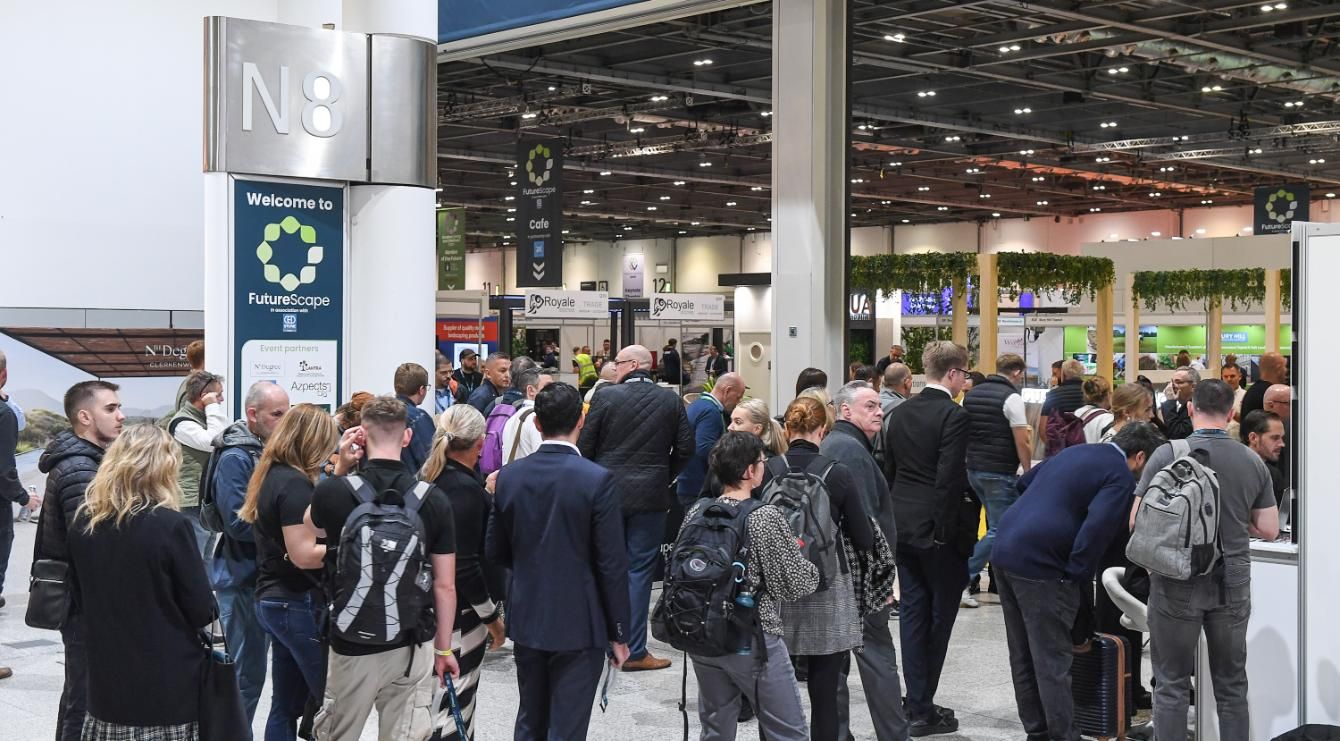
At FutureScape 2026, I’ll be talking about how garden designers and landscapers can take a more strategic approach to their branding and websites. How websites can become tools that actively support business growth rather than simply documenting past work. This includes practical ways to improve search visibility, refine messaging and create a stronger connection with the right clients.
For many garden design and landscaping businesses, there is a huge opportunity to make their website work harder, because in a more competitive and crowded market, a passive portfolio is no longer enough.
https://www.danhoye.com